Lighting Up Your Garden at Night
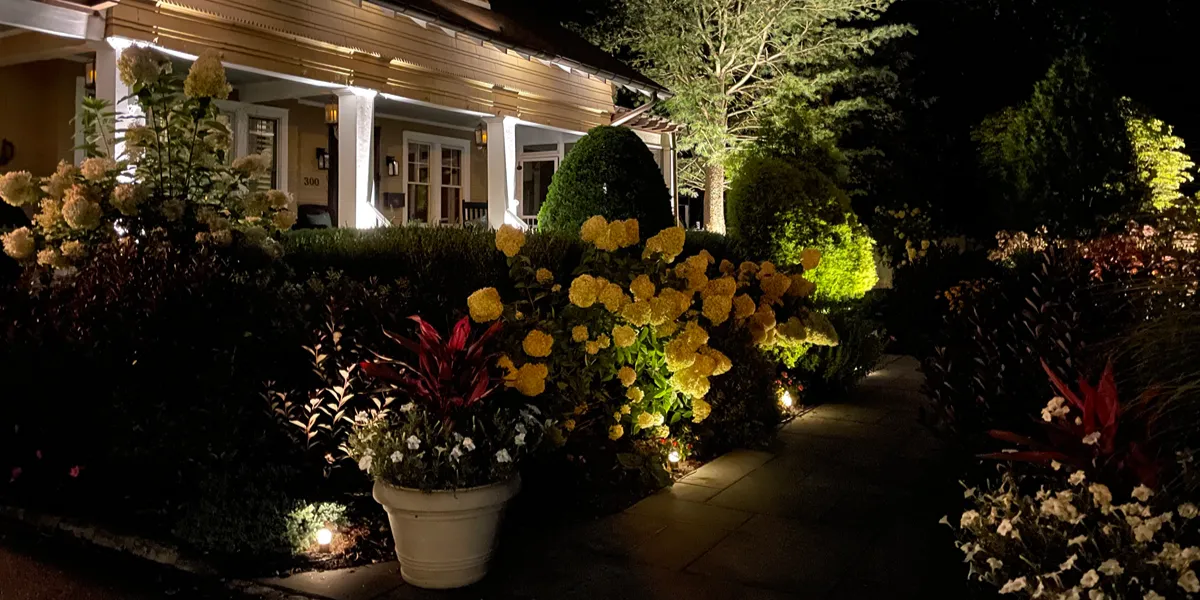
Gardens are often the most detailed and carefully curated areas of a property. During the day, color, texture, and structure create visual interest. After sunset, however, those same planting beds and garden features can disappear entirely without proper lighting.
In Pittsburgh’s South Hills communities like Peters Township, Upper St. Clair, Mt. Lebanon, and Bethel Park, homeowners invest significant time and resources into their gardens. Without intentional illumination, those investments fade into darkness each evening. Professionally designed landscape lighting ensures your garden maintains depth, dimension, and beauty long after the sun goes down.
Garden lighting is not about making every flower bed bright. It is about shaping light to reveal texture, create contrast, and extend visual interest into the night.
Layered Lighting Approach
The most effective garden lighting designs use layers rather than a single type of fixture. Layering prevents flat, washed-out spaces and creates natural depth.
-
- Low accents
Low-level accent lights highlight specific plants, shrubs, or decorative elements. These fixtures are often concealed within plantings to maintain a clean daytime appearance. Narrow beams can emphasize ornamental grasses, sculptural shrubs, or flowering focal points without spilling light into surrounding areas. - Background illumination
Soft background lighting adds dimension behind focal plantings. This might include gently lighting a hedge line or back border to prevent the garden from feeling like it ends abruptly in darkness. Layered background light helps define space. - Highlighting textures
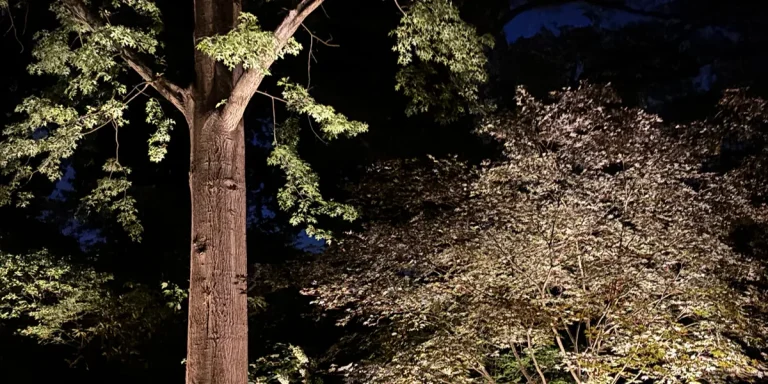
Gardens often include stone walls, trellises, bark textures, and layered foliage. Proper beam angles can graze these surfaces to emphasize detail. Texture lighting adds richness and prevents the garden from appearing flat.
- Low accents
When these layers are balanced correctly, the garden feels immersive and intentional rather than overly illuminated.
Creating Depth Instead of Brightness
One of the most common mistakes in garden lighting is focusing solely on brightness. Excessive illumination removes contrast and makes planting beds appear one-dimensional.
Depth is created by allowing certain areas to remain softly shadowed while highlighting key features. This contrast guides the eye naturally through the garden and enhances its structure.
Professional fixture placement considers sightlines from patios, windows, and walkways. The goal is to create visual interest from multiple viewing angles rather than focusing on one static perspective.
Choosing Warm vs Cool Light
Color temperature significantly affects how your garden feels at night.
-
- Warm light
Warm tones, typically in the 2700K to 3000K range, create a relaxed and inviting atmosphere. Warm light enhances natural greens, wood textures, and stone elements, making it ideal for most garden applications. - Cool light
Cooler tones can appear crisp and modern but may feel stark in organic planting beds. They are sometimes used sparingly to highlight contemporary features or water elements but require careful balance.
- Warm light
Consistency is essential. Mixing mismatched color temperatures across fixtures can disrupt visual harmony. A cohesive lighting plan ensures the entire garden maintains a unified tone.
Lighting Around Water Features
Water features add movement and reflection to garden spaces. Proper lighting enhances both safety and aesthetic impact.
-
- Safety considerations
Illuminating the edges of ponds, fountains, or decorative basins reduces tripping hazards. Subtle perimeter lighting improves visibility without overpowering the water. - Using reflection to your advantage
Water naturally reflects light, doubling its visual impact. Carefully aimed fixtures can create shimmering effects across the surface. Underwater lighting can add depth and drama when installed professionally.
- Safety considerations
Overlighting water features can create glare and diminish the calming effect they are meant to provide. Controlled beam placement preserves elegance.
Energy Efficiency and Smart Controls
Modern garden lighting systems are designed to operate efficiently and reliably. LED technology consumes far less energy than older halogen fixtures while delivering cleaner beam spreads and longer lifespan.
Upgrading to LED fixtures reduces maintenance and minimizes long-term operating costs. If your system is outdated, reviewing LED upgrade options can significantly improve performance.
Smart controls allow homeowners to automate schedules based on sunset times or customize intensity levels. Zoning features make it possible to adjust garden lighting independently from other areas of the property.
Professional installation ensures wiring is properly routed and protected against moisture and soil movement common in Western Pennsylvania’s climate.
Adapting Lighting as Your Garden Grows
Gardens are dynamic spaces. Plants mature, shrubs expand, and seasonal changes alter density.
Lighting should be flexible enough to adapt over time. Fixtures may need repositioning as plantings grow taller or denser. A well-planned system anticipates future growth and allows for adjustments without major disruption.
During the design process, long-term maintenance and plant growth are factored into placement decisions to preserve balance year after year.
Bring Your Garden to Life After Sunset
Garden lighting should feel natural, balanced, and intentional. When properly designed, it enhances texture, highlights focal points, and creates depth without overwhelming the space.
Larkin Outdoor Lighting designs and installs custom lighting systems for homeowners throughout Pittsburgh’s South Hills, proudly serving:
-
- McMurray
- Peters Township
- Upper St. Clair
- Mt. Lebanon
- Bethel Park
- Canonsburg
- South Fayette
- Bridgeville
- Sewickley
- Moon Township
- Finleyville
- Venetia
- Thompsonville
As a certified OMNI RGB installer with a 5-star reputation, our focus is delivering lighting systems built for durability, precision, and long-term performance.
If your garden fades into darkness each night, the next step is a professional consultation. We will evaluate focal points, plant density, and viewing angles to create a lighting plan tailored specifically to your property.
Schedule your garden lighting consultation today and discover how professionally designed lighting can add depth and beauty to your landscape after dark.